
How Malta’s daily rhythm before and after work shapes lifestyle, productivity, and the way companies choose office space in Malta.
TL;DR
In Malta, work is not confined to office hours. For many professionals, the day begins before arriving at the office and continues long after leaving it. Morning routines, lunchtime habits, and after-work social life all form part of a lifestyle arrangement that blends living, working, and socialising into one cohesive experience. This blog explores how that rhythm plays out across Malta’s key business locations and why companies increasingly factor lifestyle flow into decisions about office space in Malta. For expert advice, call +356 7942 3033.
Introduction: Work as Part of Daily Life, Not a Separate Block
For people who live and work in Malta, work is rarely a rigid, isolated block of time. Instead, it fits into a broader lifestyle pattern that combines professional responsibilities with personal routines, social interaction, and wellbeing.
A typical working day may start with a gym session near home, a quick coffee stop on the way to the office, or an early meeting that flows naturally into lunch outside the workplace. At the other end of the day, work often transitions into after-hours socialising, networking, or simply decompressing in familiar surroundings.
This “live, work, play” arrangement works particularly well in Malta because distances are short, business districts are compact, and professional and social circles often overlap. For employers and landlords alike, this reality has reshaped how office space in Malta is evaluated and marketed.
Beyond the 9-to-5: What the Working Day Really Looks Like in Malta
The Maltese working day typically unfolds in three interconnected phases:
Before Work
Many professionals structure their mornings around convenience and routine. Short commutes allow time for exercise, errands, or relaxed coffee meetings before arriving at the office. This sets a calmer tone for the day and reduces the sense of rush that often defines larger cities.
During the Workday
Lunch is rarely confined to a desk. In many districts, stepping out for a break is part of the culture, and informal lunchtime conversations often blend personal and professional topics. These moments play a subtle role in team cohesion and cross-company familiarity.
After Work
Once laptops close, the day does not abruptly stop. For many, especially midweek and towards the end of the week, after-work life includes meeting friends, bumping into professionals from other companies, and joining casual social circuits. Wednesday and Friday evenings, in particular, often become informal networking windows, where conversations flow easily between industries.
This rhythm is one of the defining characteristics of working life in Malta.
Why Lifestyle Flow Now Influences Office Decisions
As advisers specialising in office space in Malta, we increasingly see companies assessing locations through a lifestyle lens. Employers understand that where an office sits affects:
- How employees start their day
- How they experience breaks and transitions
- Whether after-work interaction feels natural or forced
- How connected they feel to the wider professional community
Office choice has become as much about how the day feels as how the space functions.
Areas in Malta Where Lifestyle Shapes the Workday
Eastern Business Belt: Sliema, St Julian’s, Gżira
This corridor represents the most lifestyle-integrated working experience in Malta. The day here rarely feels segmented. Professionals move fluidly from morning routines into work, from work into lunch, and from office hours into evening social life.
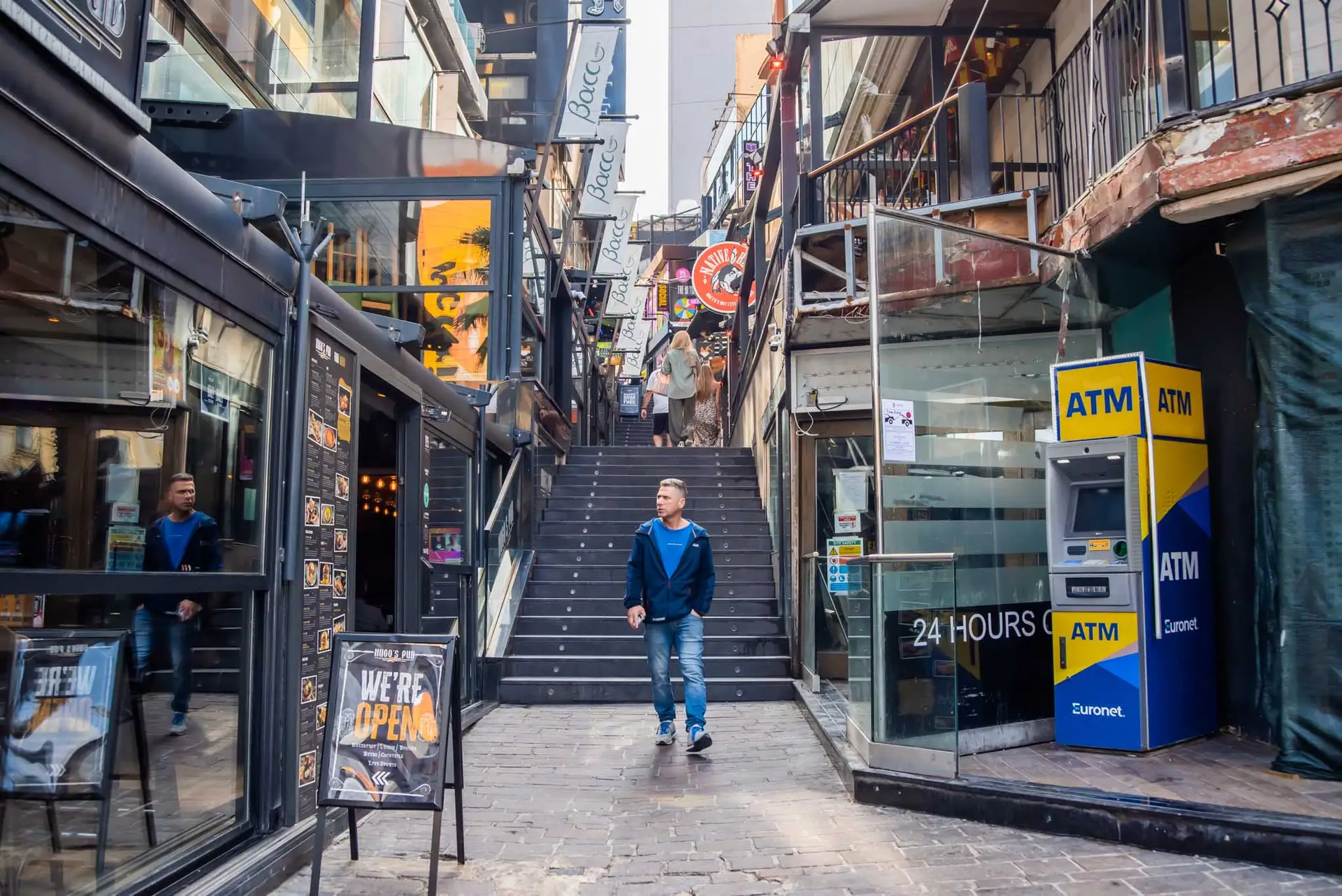
After work, it is common to meet colleagues or friends from other companies, often running into familiar faces from across the business community. Midweek and end-of-week evenings frequently turn into informal bar-hopping or casual gatherings, where conversations span work, opportunities, and personal life. These interactions often strengthen professional networks without feeling like formal networking.
This environment suits companies that want energy, visibility, and engagement beyond the office walls. It is particularly appropriate for Grade A offices, client-facing headquarters, and modern professional suites where team culture and external interaction matter.
Central Business Areas: Mrieħel, Birkirkara, San Ġwann
Central Malta offers a noticeably different rhythm. The working day here is efficient and focused. Employees tend to arrive, work, and then transition directly into personal time. The environment supports productivity and structure, but after-hours life is more subdued.
For many teams, this works well. There are fewer distractions during the day, and the clear separation between work and home suits employees who prioritise routine. Unless a particular development creates its own internal ecosystem, the pattern is often “work and go home.”
These areas are well suited to larger office floors, operational headquarters, and corporate environments where consistency and workflow matter more than after-work social life.
Heritage and Institutional Core: Valletta and Surrounding Areas
Working in Malta’s heritage core feels distinct. The pace is more deliberate, and the environment carries a sense of formality and identity. After work, the transition often involves quieter social interactions, reflective walks, or structured meetings rather than spontaneous gatherings.
Professionals here tend to value the character of the location and the impression it creates. Conversations after hours often feel intentional rather than casual. This suits organisations where brand, credibility, and presentation are central to the business.
This setting aligns well with boutique office floors, advisory firms, and businesses seeking a refined professional image.
North and South Catchment Zones
In these areas, lifestyle is shaped primarily by proximity. Employees typically live nearby and value the ability to finish work and return home quickly. After-work socialising is more personal and less tied to the workplace or surrounding businesses.
This model supports stability and long-term retention, particularly for teams who prioritise convenience over vibrancy. These zones suit local operational offices and workforce-focused spaces where daily efficiency is the main objective.
What This Means for Employers and Landlords
Understanding Malta’s lifestyle flow allows businesses to make better strategic decisions. Employers who align office location with how their teams actually live tend to see stronger engagement and satisfaction. Landlords who recognise the role of lifestyle can position their properties more effectively within the market.
From our experience, companies that succeed in Malta treat office space not just as a place to work, but as a base within a wider daily ecosystem.
Featured Listings: Office Types That Match Lifestyle Patterns
- 200 SQM Office in Floriana
- Luxury Commercial Office In St. Julian’s
- Serviced Office for 7 People in Prime Location
- Modern Gzira Office with Terrace
- 300 SQM Ta’ Xbiex Office
To explore options across these categories, contact +356 7942 3033 or visit MaltaOffices.com.
Conclusion
Life at work in Malta extends well beyond the 9-to-5. It begins before the office doors open and continues long after they close. For those who live and work here, this integration of lifestyle and profession is one of Malta’s greatest strengths.
Companies that understand and embrace this rhythm make better decisions about office space in Malta, attract the right talent, and create working environments that genuinely support how people live.
For expert guidance on finding office space that fits your team’s lifestyle, speak with us on +356 7942 3033.