

You have a shortlist, a floor area, and a rent quoted in euros per square metre per year. The temptation at that point is to multiply, divide by twelve, and put the number in the budget. That number is usually somewhere between 20% and 40% short of what the first year actually costs.
Nothing about this is unique to Malta; every commercial market has costs that sit outside the headline rent. What is specific to Malta is which ones, and how they behave.
Agency fees follow representation, so a tenant working with an agency carries a fee of their own. VAT on office rent depends on how your landlord is structured and how your own company is registered.
Utilities move onto a non-residential tariff the moment the account changes name. And the fixed period of your lease, the di fermo, turns an early exit into a liability for the entire remaining term.
Below are the 7 costs that most often surprise tenants, what drives each one, and how to put a realistic figure against it before you sign.
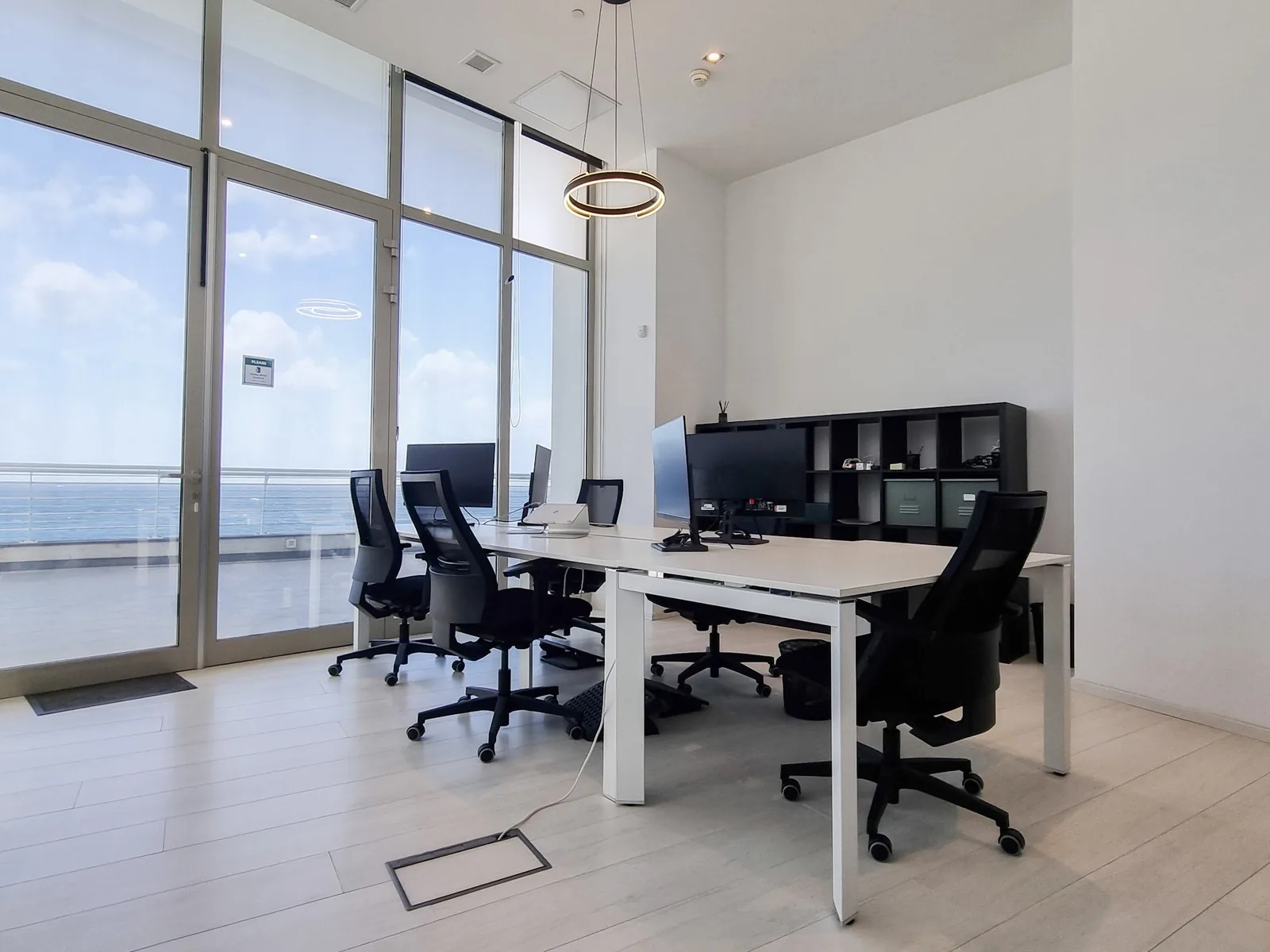
Table of Contents
- Why the headline rent is only part of the number
- Cost 1 — Agency fees, including the tenant’s share
- Cost 2 — VAT on rent, and whether you can recover it
- Cost 3 — Deposits and bank guarantees
- Cost 4 — Service charges and common area costs
- Cost 5 — Utilities on the non-residential tariff
- Cost 6 — Fit-out, repairs, and making good at the end
- Cost 7 — Escalation clauses and the cost of the di fermo
- Smaller costs that still move the number
- Building a realistic first-year budget
- Questions to ask before you sign
- Key takeaways
- Frequently asked questions
Why the headline rent is only part of the number
Rent is the largest line in an occupancy budget, but it is rarely more than two-thirds of the first year’s cash requirement once fees, deposits, VAT, utilities and fit-out are counted.
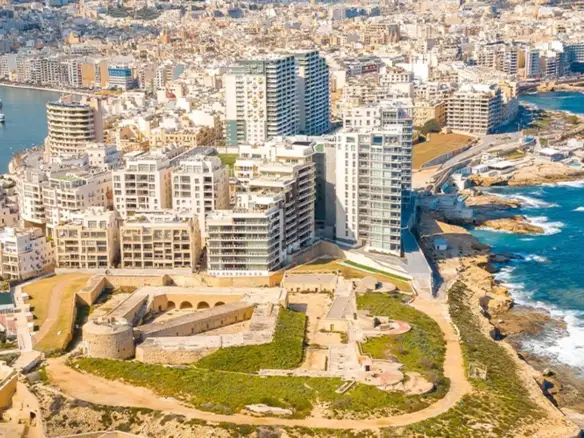
Malta office rents are quoted in €/sqm/year, and they vary by locality and by building grade rather than by locality alone. Our review of average office rental prices in Malta for 2026 puts standard-grade space in the Sliema and St Julian’s cluster in the region of €225–€275/sqm/year, with Gzira and Ta’ Xbiex slightly below that and the Mriehel CBD lower again.
Take a 200 sqm office in Sliema at €250/sqm/year. The rent is €50,000 a year, or roughly €4,167 a month. That is the number most budgets start with. The rest of this article is about everything that sits underneath it.
Every figure used below is either published on this site or drawn from an identifiable public source. Treat them as planning ranges rather than quotes; actual costs turn on the specific building, the landlord, and the terms you negotiate.
Cost 1 — Agency fees, including the tenant’s share
Agency fees follow representation. A fee is payable by the party an agency acts for: where an agency acts for both the landlord and the tenant, each side pays its own; where it acts for one side only, that side pays.
The rate is the same either way. The industry standard, set out in full on our commercial property estate agency fees page, is 10% of one year’s average rent plus 18% VAT from the landlord, and 10% of one year’s average rent plus 18% VAT from the tenant.
For budgeting purposes, a tenant working with an agency should assume the fee is theirs to pay and confirm the position at the outset rather than at signing. On our 200 sqm Sliema example, the tenant’s share is €5,000 plus €900 VAT — €5,900, payable upon signing. And payable once.
Two practical notes:
- The percentage is applied to one year’s average rent, not to the whole term. A nine-year lease does not attract nine times the fee.
- The VAT element is recoverable through your normal VAT returns if your company holds an Article 10 registration, so the true cost to most occupiers is the net fee.
Cost 2 — VAT on rent, and whether you can recover it
Commercial office rent in Malta may or may not carry 18% VAT, and which applies depends on the parties rather than the property.
The general rule under Maltese VAT law is that the letting of immovable property is an exempt supply. The commercially significant exception is the letting of property by a limited liability company to a person registered under Article 10 of the VAT Act for that person’s economic activity which is taxable at the standard rate of 18%.
In practice this produces 3 outcomes worth budgeting for separately:
- Company landlord, Article 10 tenant. VAT is charged at 18%. On €50,000 of rent that is €9,000 a year, recoverable through your VAT returns. The real cost is the cash-flow gap between paying it and reclaiming it.
- Company landlord, Article 11 (small undertaking) tenant. The exemption applies differently, and where VAT is charged but cannot be reclaimed, it becomes a genuine 18% addition to your rent.
- Individual landlord. The letting is generally exempt, so no VAT appears on the invoice but the landlord cannot recover input VAT on the building’s costs, and asking rents sometimes reflect that.
Parking is treated separately: the letting of parking spaces is taxable at the standard rate regardless of the tenant’s registration status. So a lease that is itself exempt can still generate VAT on the parking element.
Our commercial property FAQs cover the general position, and listing rents are usually quoted exclusive of VAT unless marked otherwise. Confirm the treatment of your specific lease with your tax adviser before you fix the budget; the outcome depends on both parties’ registration status and on the current rules.
Cost 3 — Deposits and bank guarantees
Budget for 3 months’ rent as a deposit, and be prepared for a landlord to ask for more if your company has no Maltese trading history.
3 months is the common starting point. Newly incorporated entities, or foreign parent companies leasing before Maltese incorporation, are frequently asked for 3 to 6 months, sometimes supported by a parent company guarantee or a director’s personal guarantee.
On the 200 sqm example, 3 months is €12,500 out of the business and sitting with the landlord for the duration.
A bank guarantee is often accepted in place of a cash deposit for established tenants. It preserves working capital, but it is not free, your bank will charge an annual commission and may require the amount to be secured, so compare the cost of the guarantee against the opportunity cost of the cash before assuming it is the better option.
Commercial deposits in Malta are purely contractual. The registration and deposit rules that apply to private residential leases do not extend to commercial tenements, which means the lease itself is the only protection you have. Make sure it states the deposit amount, the conditions for deduction, and the period within which the balance is returned after the premises are handed back.
Cost 4 — Service charges and common area costs
In any managed building, expect a service charge on top of rent and expect it to be quoted as an estimate rather than a fixed figure.
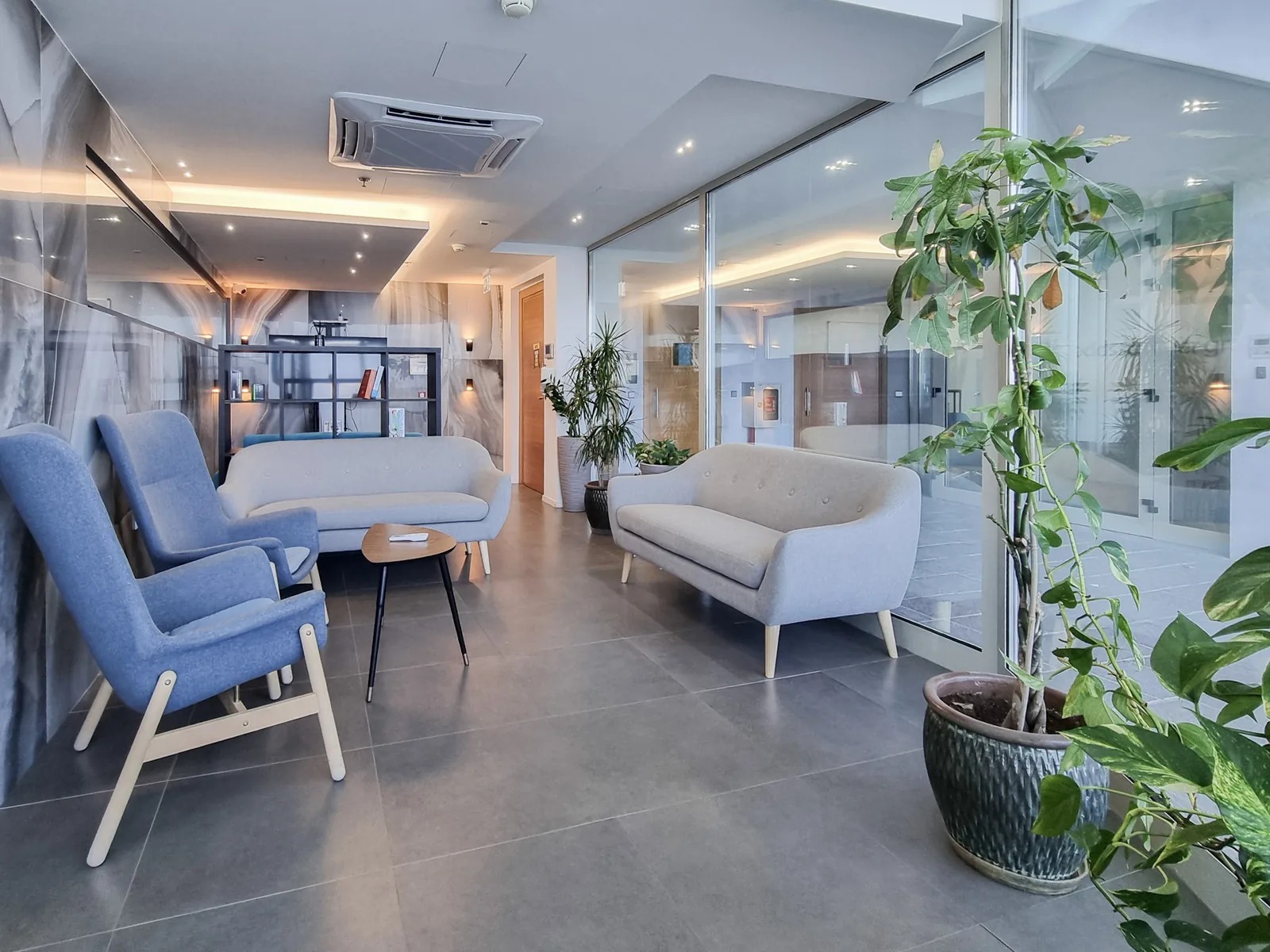
Service charges typically fund cleaning and maintenance of common parts, lift servicing, common-area lighting and air conditioning, security or reception where provided, generator maintenance and fuel, and the building’s insurance. What varies between buildings is which of those are included, how the cost is apportioned, and whether it can rise mid-term.
Before you accept an estimate, ask for:
- A written schedule of exactly what the charge covers, and what it explicitly excludes.
- The apportionment basis usually your floor area as a proportion of total lettable area. Confirm which measure is used and whether vacant units are included.
- Two years of actual figures instead of a forward estimate. The gap between the two tells you how the building is really run.
- Any cap or uplift mechanism, and how a shortfall at year-end is recovered.
Two situations deserve extra attention. In business centres and serviced offices, much of this is bundled into a single monthly figure, cleaner to budget, but confirm what sits outside it. In older converted stock, there may be no formal service-charge structure at all, which means costs arrive ad hoc and unbudgeted rather than not arriving.
Cost 5 — Utilities on the non-residential tariff
An office is billed by ARMS as a non-residential premises service, which is a different rate structure from the domestic and residential tariffs most people are familiar with.
Two things follow from that, and both cost money at the start.
First, transferring the account into your company’s name is a formal application. A guarantee deposit and administrative fees apply on submission, and the landlord’s consent is part of the process. Build the deposit into your move-in cash requirement rather than discovering it the week you take possession.
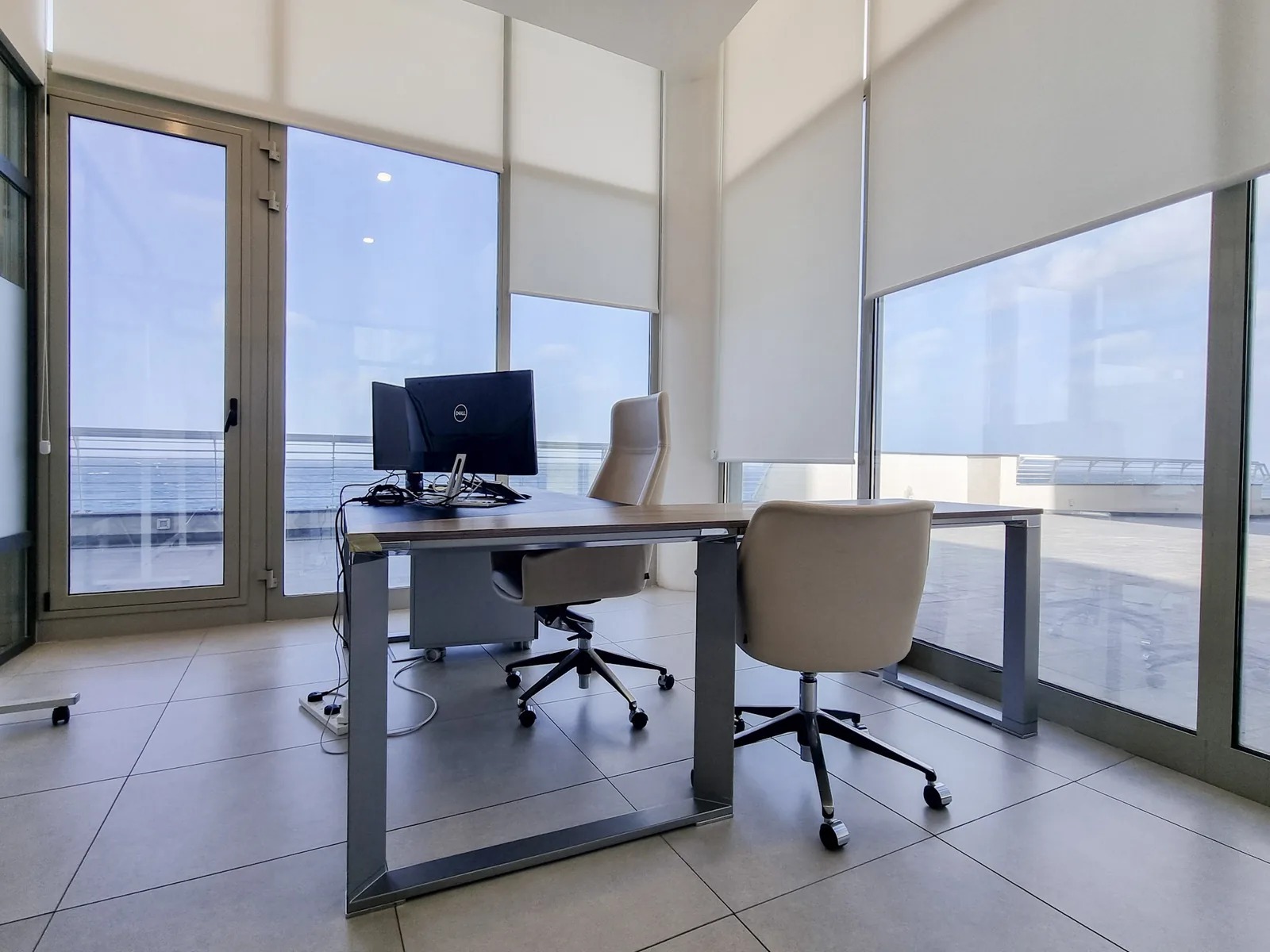
Second, consumption in a Maltese office is dominated by cooling. Air-conditioning load between June and September is the single largest driver of the bill, and it is heavily influenced by things you can assess on a viewing: glazing and orientation, whether the units are modern inverter systems or ageing equipment, and whether the space has any meaningful insulation. A seafront office with full-height west-facing glazing and twelve-year-old units will cost materially more to run than the rent difference suggests.
Take meter readings on the day of handover and photograph them. It is a two-minute job that prevents a dispute over the previous occupier’s consumption.
Connectivity is a separate contract on a business tariff, and installation is not always immediate. Ask what fibre is already in the building and which providers serve it; retrofitting connectivity into older stock takes time you may not have.
Cost 6 — Fit-out, repairs, and making good at the end
Fit-out is the largest variable in the first-year budget, and the one most often carried at a placeholder figure until it is too late to change the decision.

Price it per square metre against a defined scope rather than working to a total. As a planning figure, allow in the region of €500–€1,000 per sqm; where you land inside that depends on the condition you take the space in, the specification you want, and how much of the mechanical and electrical work has already been done.
Get a quote against your own scope before you commit to the lease rather than after.
Timing needs the same care. Allow 4 to 8 months to bring shell-and-core space into use, with the upper end applying where August or December fall inside the programme; the summer break and the Christmas period both slow Maltese contractors and suppliers considerably, and a schedule that looks comfortable on paper does not always survive being started in June.
That is a period during which you may be paying rent on space you cannot occupy. A rent-free period covering the works is one of the more achievable asks in a Malta negotiation, and it is worth raising before terms are agreed rather than after.
Repairs during the term are governed by the Civil Code and are frequently misread. Structural repairs sit with the lessor; ordinary repairs sit with the lessee. A clause requiring the tenant to carry out “all repairs” covers ordinary repairs only; extraordinary and structural works are not caught unless they are explicitly and specifically accepted in the contract.
Our summary of what Maltese law says about repairs, penalty clauses and eviction sets out the position and the case law behind it.
Then there is the end. If the lease requires you to hand the premises back in their original state, the cost of stripping out partitions, making good, and redecorating lands in your final quarter, years after anyone modelled it.
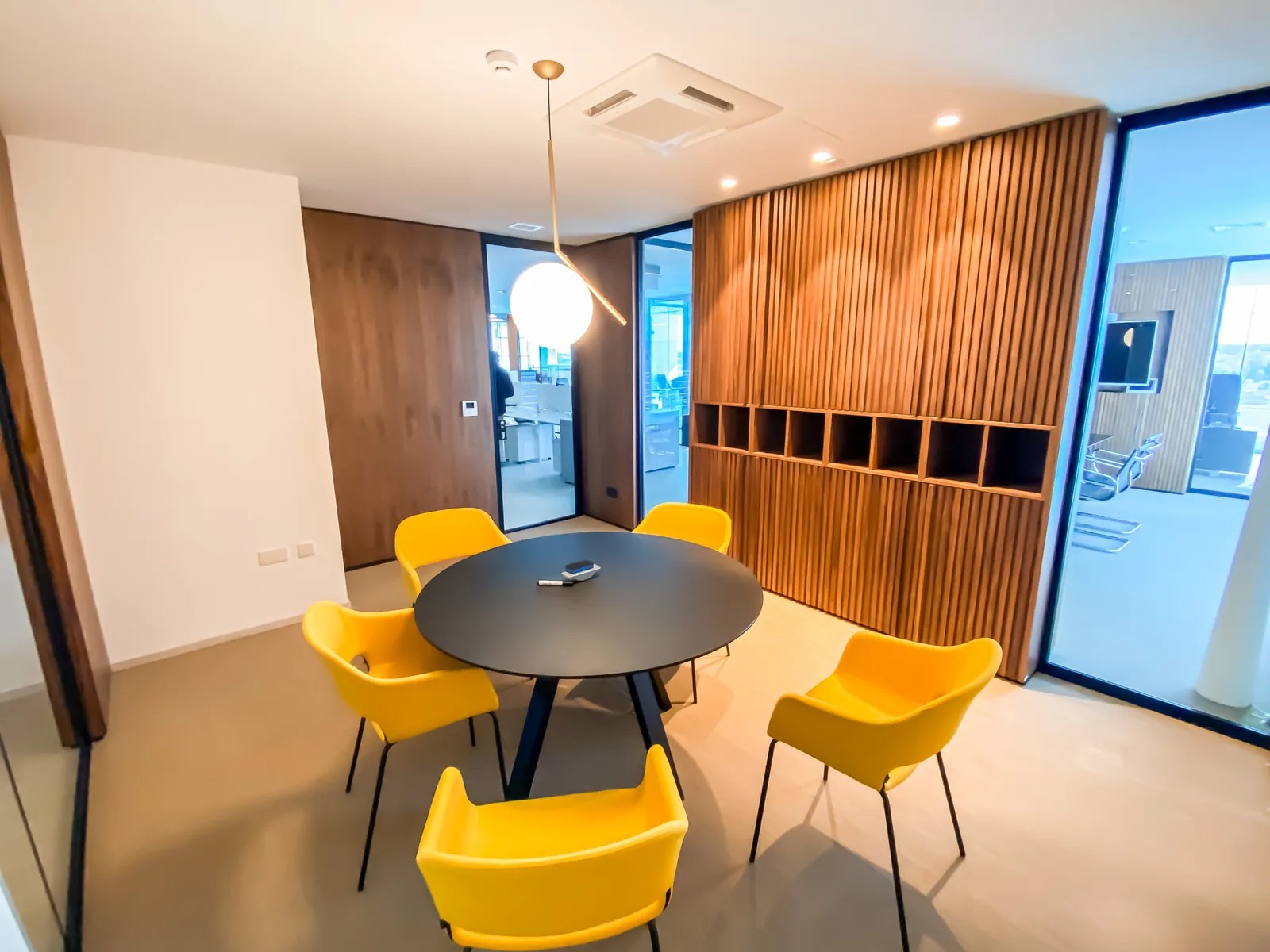
Two protections are worth insisting on: a schedule of condition with dated photographs at handover, and a reinstatement clause that specifies what actually has to be removed rather than leaving it to be argued about later.
Cost 7 — Escalation clauses and the cost of the di fermo
A fixed annual increase compounds, and over a 6 or 9-year term it changes the total materially.
Malta commercial leases commonly carry a fixed annual increase in the region of 3–5%, or an increase pegged to inflation. At 5% on a €50,000 starting rent, year six is roughly €63,800, and the 6-year total is about €340,000 against €300,000 if the rent were flat.
That €40,000 difference is a real budget item, and it is the reason the escalation basis deserves as much negotiating attention as the opening rent.
The other half of this is the term structure. Maltese commercial leases distinguish between the di fermo (the fixed period during which neither party may terminate) and the di rispetto (the subsequent period during which the lease can be terminated on notice). A tenant who vacates during the di fermo remains liable for the rent for the whole of the remaining fixed period.
That makes the length of the di fermo a financial decision, not an administrative one. A long fixed period usually buys a better rate or more flexibility on other terms; it also removes your ability to respond if the team shrinks, grows faster than the space allows, or moves to a hybrid pattern.
Shorter and more flexible terms are available in Malta, but they generally carry a premium of around 10–20% on rent, and serviced offices shift the calculation again, trading a higher monthly rate for the removal of fit-out, deposits and most of the items above.
Smaller costs that still move the number
None of these will dominate a budget on their own. Collectively they routinely add several thousand euro to year one.
- Parking. Allocation is limited to non-existent in Sliema, St Julian’s, Valletta and Paceville, and paid alternatives become an ongoing staff cost or a recruitment problem. Our guide to office parking in Malta explains why predictability matters more than proximity, and remember that parking lettings attract 18% VAT in their own right.
- Legal review. Commercial leases in Malta are governed by the Civil Code and, unlike private residential leases, are not required to be registered with any authority. The contract is the whole of your protection, which makes a proper review money well spent rather than a formality.
- Insurance. Buildings insurance is usually the landlord’s, often recharged through the service charge. Contents, business interruption and public liability are yours.
- The move itself. Removals, IT relocation, cabling, new furniture, and the productivity cost of the days around the move.
- Signage and permits. External signage may require Planning Authority consent. If you are converting space that does not already hold Class 4A office use, a change-of-use application can take several months; confirm the existing permit class before you commit to a move-in date.
Building a realistic first-year budget
The table below applies the ranges above to the same 200 sqm Sliema office at €250/sqm/year. It is an illustration built on published figures, not a quotation.
| Cost line | Basis | Illustrative year one |
| Rent | 200 sqm × €250/sqm/year | €50,000 |
| Agency fee (tenant share) | 10% of one year’s rent + 18% VAT | €5,900 |
| VAT on rent, where chargeable | 18% of rent | €9,000 (recoverable if Article 10 registered) |
| Deposit | 3 months’ rent | €12,500 (refundable) |
| Service charge | Per sqm, building-specific | Request two years of actuals |
| Utilities and connectivity | Non-residential tariff + guarantee deposit | Building-specific; cooling load dominates |
| Fit-out | Scope-dependent | €500–€1,000 per sqm |
| Legal, insurance, moving, signage | Fixed and variable | Several thousand euro |
Two observations usually follow from setting it out this way. The first is that the non-rent items concentrate almost entirely in the first 3 months, which is a cash-flow question rather than a profit-and-loss question.
The second is that the deposit and recoverable VAT are not costs at all; they are capital tied up, and separating them from true expenditure gives a much clearer picture of what the space really costs to occupy.
Our office price calculator is a quick way to sanity-check the rent line for a given size and locality before you build the rest around it.
Questions to ask before you sign
- Is the quoted rent inclusive or exclusive of VAT, and is the landlord a limited liability company?
- What is the service charge, what does it cover, and can I see the last two years of actual figures?
- How is the service charge apportioned, and is there a cap?
- What deposit is required, in what form, and under what conditions is it returned?
- How long is the di fermo, and what notice applies during the di rispetto?
- What is the escalation basis fixed percentage or index-linked and when does the first increase apply?
- Who is responsible for the air-conditioning, and does the lease distinguish ordinary from structural repairs?
- Is a rent-free period available to cover fit-out works?
- What condition must the premises be handed back in, and is there a schedule of condition?
- Does the property already hold Class 4A office use, and what parking is allocated?
Key takeaways
- Headline rent typically accounts for around two-thirds of a first-year occupancy budget once fees, deposits, VAT, utilities and fit-out are included.
- Agency fees follow representation, so budget 10% of one year’s average rent plus 18% VAT where an agency is acting for you.
- Whether 18% VAT applies to your rent depends on the landlord’s structure and your VAT registration, and it is a cash-flow item even when recoverable.
- Deposits and bank guarantees are capital tied up rather than money spent; model them separately from true costs.
- Service charge estimates are worth far less than 2 years of actual figures.
- The di fermo determines what an early exit costs you: leaving during the fixed period means liability for the remaining rent.
- Most of the non-rent spend lands in the first quarter, so the pressure point is cash flow, not annual cost.
Frequently asked questions
What costs are additional to rent when leasing an office in Malta?
The main additions are VAT on rent where chargeable, a deposit of around three months’ rent, service charges for common areas, utilities on the non-residential tariff, and fit-out. Smaller items include legal review, contents and liability insurance, moving and IT costs, parking, and any signage or change-of-use permissions. Where an agency is acting for you, an agency fee of 10% of one year’s average rent plus 18% VAT is payable on signing. Together these commonly add 20–40% to the first year.
Do tenants pay estate agency fees in Malta?
Yes, where the agency acts for them. Agency fees follow representation: each party an agency represents pays its own fee, and where an agency acts for one side only, that side pays. The industry standard for commercial lettings in Malta is 10% of one year’s average rent plus 18% VAT from the landlord, and 10% of one year’s average rent plus 18% VAT from the tenant. The fee is calculated on one year’s rent regardless of the length of the lease, and falls due around signing.
Is VAT charged on office rent in Malta?
It depends on the parties. The letting of immovable property is generally exempt from Maltese VAT, but letting by a limited liability company to a tenant registered under Article 10 of the VAT Act, for that tenant’s economic activity, is taxable at the standard rate of 18%. Where it applies and the tenant is Article 10 registered, the VAT is normally recoverable through VAT returns. Parking lettings are taxable at the standard rate separately. Confirm your own position with a tax adviser.
How much deposit will a Malta landlord ask for on an office?
3 months’ rent is the usual starting point. Landlords often ask for 3 to 6 months from newly incorporated companies or foreign entities without a Maltese trading history, sometimes alongside a parent-company or director’s guarantee. A bank guarantee is frequently accepted instead of cash for established tenants, though the bank will charge an annual commission for it. Commercial deposits are governed by the lease alone, so the return conditions need to be written into it.
What is a di fermo period, and why is it crucial for budgeting? The di fermo is the fixed period of a Maltese commercial lease during which neither party may terminate. A tenant who vacates during it remains liable for the rent for the whole of the remaining fixed period, so it sets the real cost of an early exit. The di rispetto is the period that follows, during which the lease can be ended on notice. Because a longer di fermo usually buys a better rate, its length is a financial trade-off rather than a formality.
How much should I budget for fitting out a Malta office? Budget in the region of €500–€1,000 per sqm, depending on the condition of the space, the specification, and how much mechanical and electrical work is already in place. On timing, allow four to eight months of works before shell-and-core space can be occupied, with the upper end applying where August or December fall inside the programme. Furnished, plug-and-play and serviced options remove most of this capital cost in exchange for a higher monthly rate, which often suits teams under 10 people or on shorter terms. Ask about a rent-free period to cover the works; it is one of the more achievable concessions in a Malta negotiation.
Getting the number right before you commit
Most of the costs above are predictable once you know to ask about them. The ones that damage a budget are the ones nobody raised until the lease was in front of the directors.
If you are comparing buildings, our advisors can set out the full cost structure of a specific option what the service charge covers, how the VAT is likely to be treated, what parking actually exists, and where a landlord has room to move on rent-free periods or fit-out contributions. We can also flag which points belong with your lawyer or tax adviser before signature.
Start with the current offices for rent in Malta, or talk to our team on +356 7942 3033 with your headcount, budget and target move-in date.